
That Feeling When (Online game)
A tech-enabled and collaborative SEL game
My Roles:
App Development • UX • UI • User Testing
Type:
Solo Passion Project
Project Overview
The misson
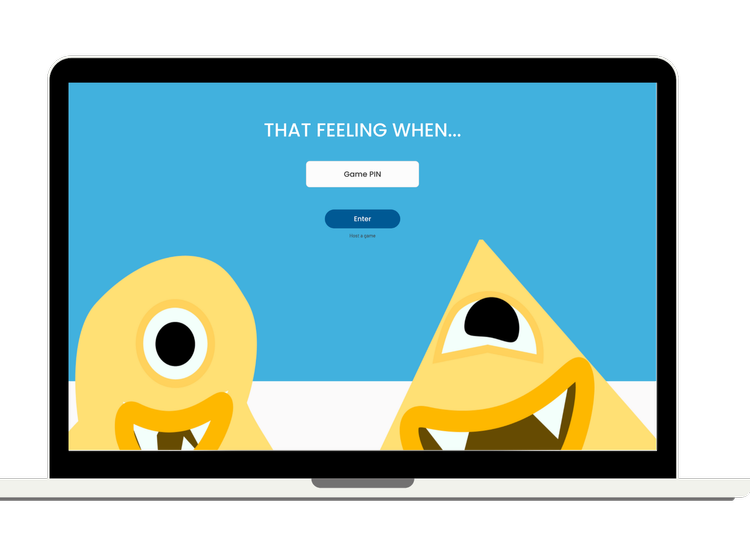
My goal was to create a fun and effective social-emotional learning app that can be used by thousands of at-risk students through Step Up Tutoring classrooms, families, after school programs, and teen therapy groups.
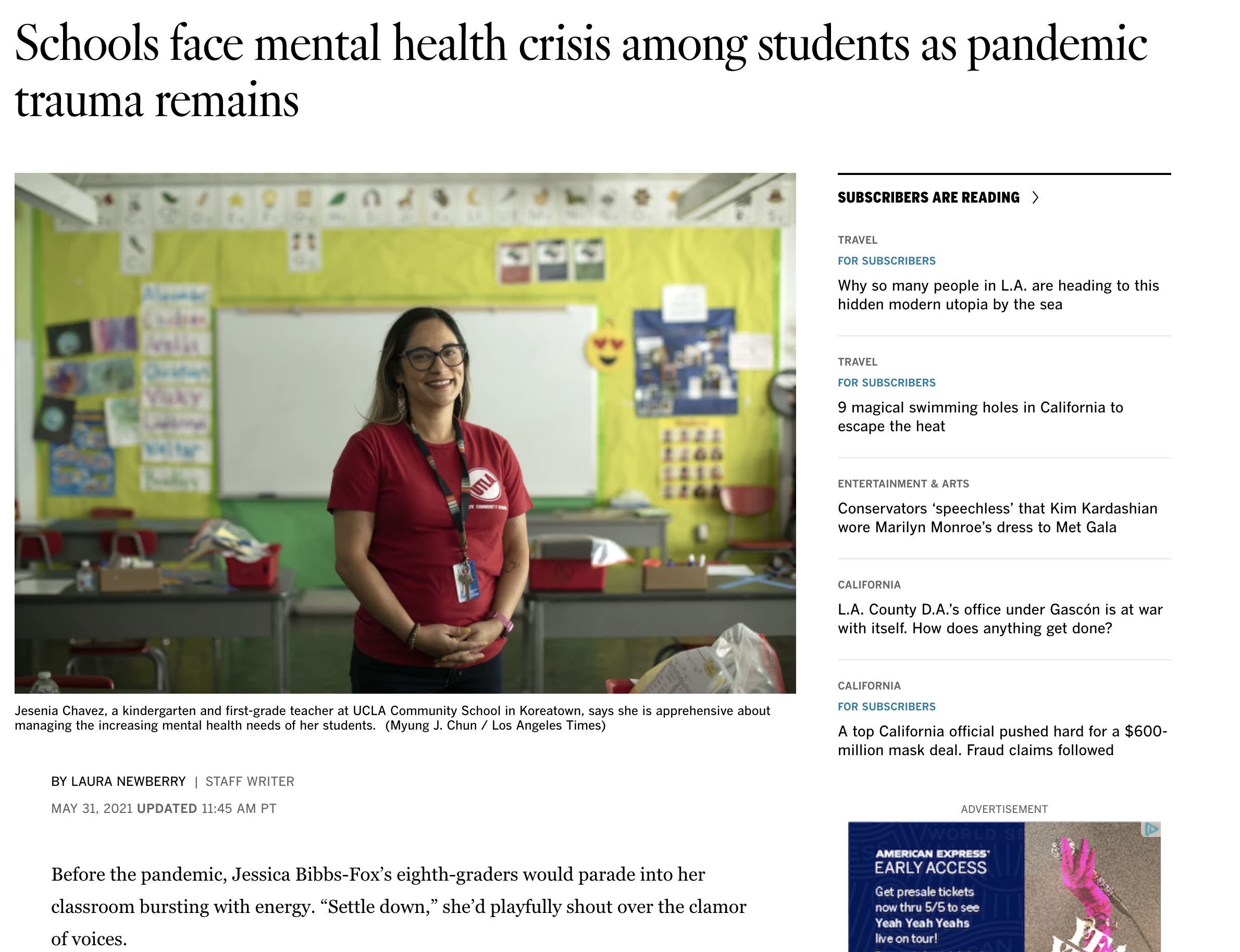
I kept seeing articles about the mental health crisis in LAUSD schools and I felt that I wanted to make a difference. I decided to convert the card game I had worked on almost 6 months prior into a digital format that would be free to all the classrooms in LAUSD (and across the country).
The outcome
I finished developing the game and am playing the game with 10+ Step Up students each week. I am now partnering with a child psychologist to refine it and ensure that all the content is effective and appropriate. I will be sending it to 250+ classrooms that Step Up Tutoring is integrated in. I will also be passing the game over to an interested Edtech company who will continue development on it and create a few more collaborative Jackbox-style games that can be played in class to teach Math, English, and other subjects.
Background
Why did I decide to build it?
1. An online game allows for a much more guided, smoother, and more customized flow, as well as easier distribution than the card game.
2. One of the by-products of the pandemic was that schools were pressured into investing in a laptop for every student so that learning could continue remotely. So, for the first time ever, students in under-resourced school districts across the country have their own personal computers. I wanted to take advantage of this new development to create a social, tech-enabled classroom game accessible to all.
3. Current social-emotional learning apps are not social. They require a student to sit at a computer, watch videos, and answer questions alone. I wanted to completely change it up and create something fun that was high impact and leads to moment of deep learning. There is nothing like it currently on the market so I felt compelled to continue what I started with the card game.
What is the purpose of the game?
The game helps students learn emotional vocabulary, coping strategies, and connect it back to their own lives. We tested a physical card game version with students (grades 3-6) and found that it was very effective in helping children learn emotional vocabulary and coping strategies. Students love it because the game has some similar mechanics to the hit app "Among Us". Six months after we concluded our work on the card game, That Feeling When, I started building an online version of the game that could be used by classrooms, therapy groups, and after school programs.
So how do you play?
In each game, players are given a simple, relatable situation (such as "you fall down and hit your knee"). They are then prompted to answer a couple questions like "what emotion would you feel" or "How would you make yourself feel better?" Pretty simple. But there's a twist. One player, The Imposter, will answer questions given a different, secret situation. Their answers might sound odd compared to the rest of the groups'!
It’s the players’ job to find The Imposter by grilling everyone on their answers, and the Imposter's job ton convince everyone that they are not The Imposter. The vote at the end of each round decides the winner…The game incentivizes students to choose emotions that most accurately describe their emotional state in the situation and incentivizes them to articulate why they would feel their emotion when questioned about their choice.
Game design
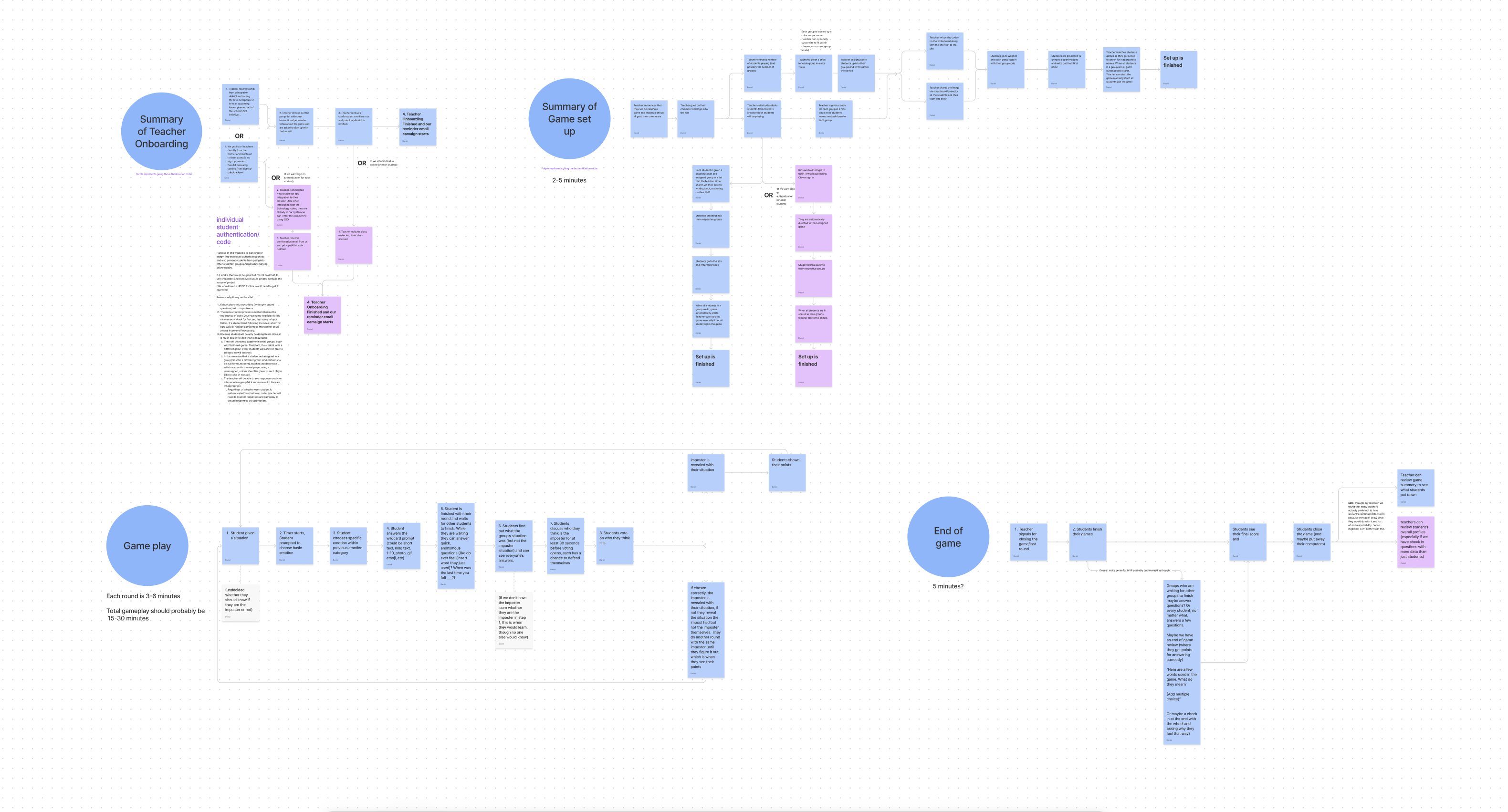
I mapped out all the logistics, including onboarding, game set up, game play, and the end of the game...I struggled to decide whether to develop a system in which we would track students' progress over time using unique codes, a feature the child psychologist I am working with requested. Tracking student's activity through out the year would help determine the efficacy of the game as well as flag students who may need extra support, but it would require an additional step in the onboarding process and would complicate the game set up for the teacher. Because teachers partnering with Step Up Tutoring are so busy, I decided simplicity is the best option and to not track student progress.
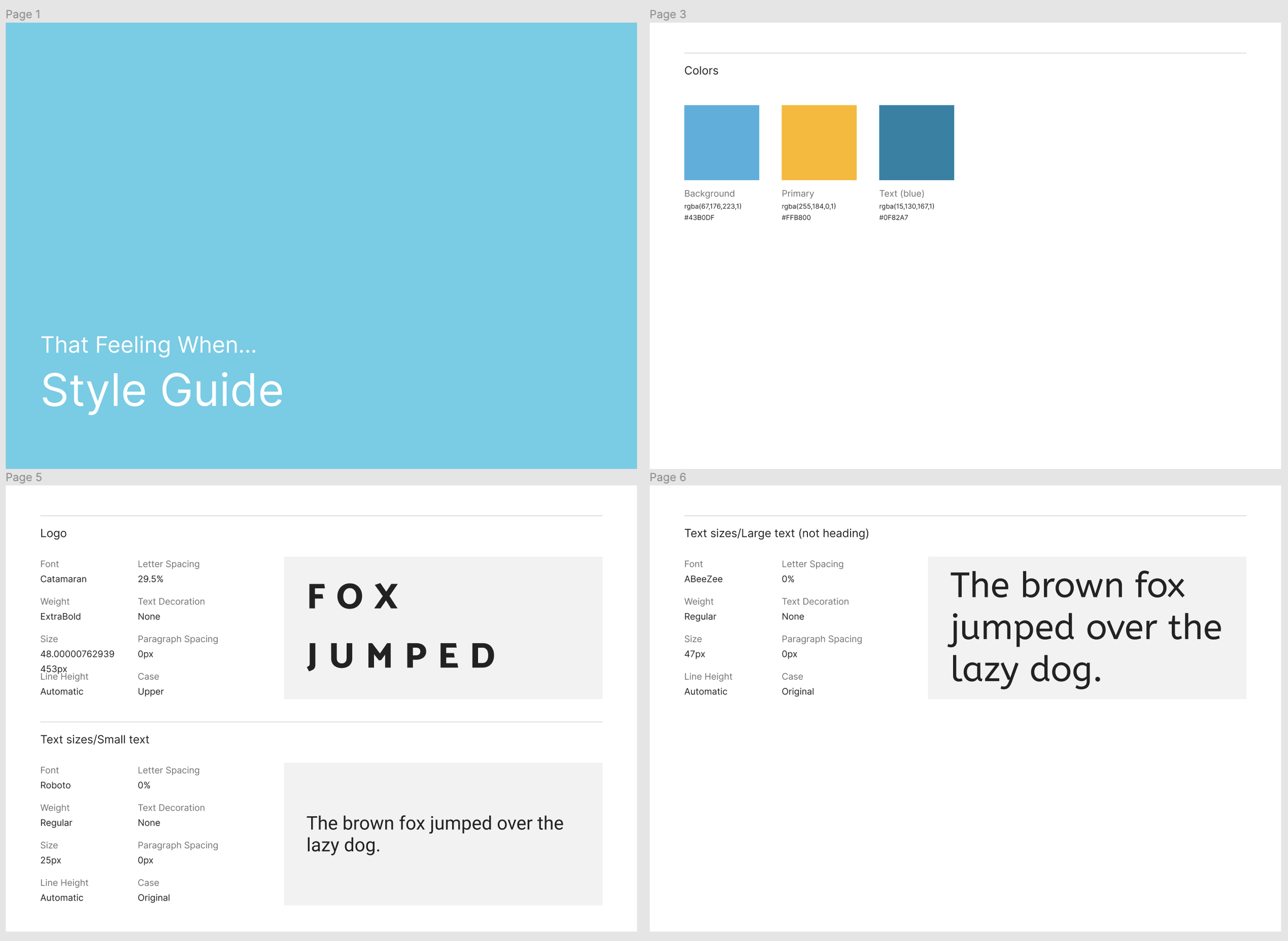
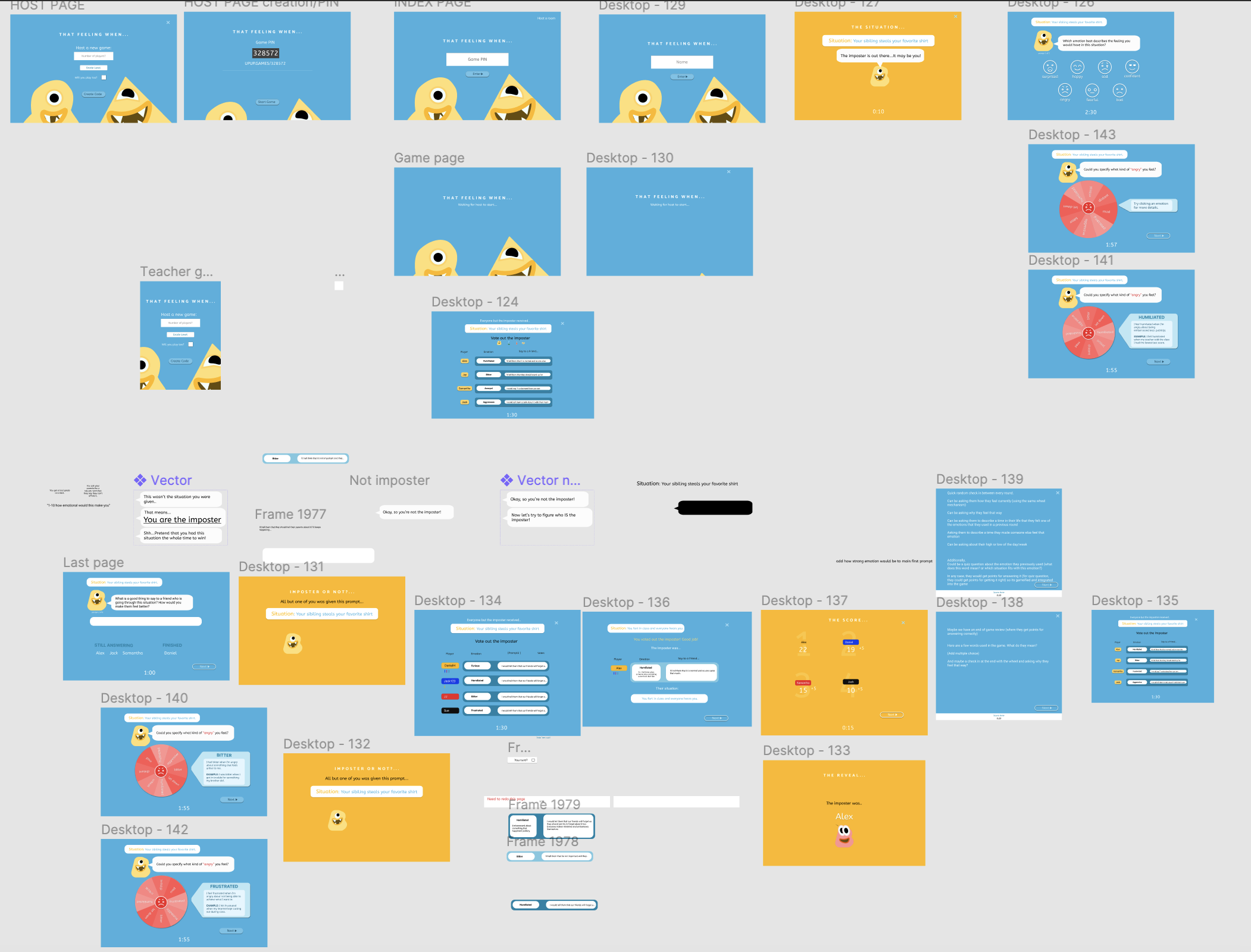
Figma Prototype
Once I had a better understanding of the design, I built it out a functional, multiplayer app in Bubble.io.
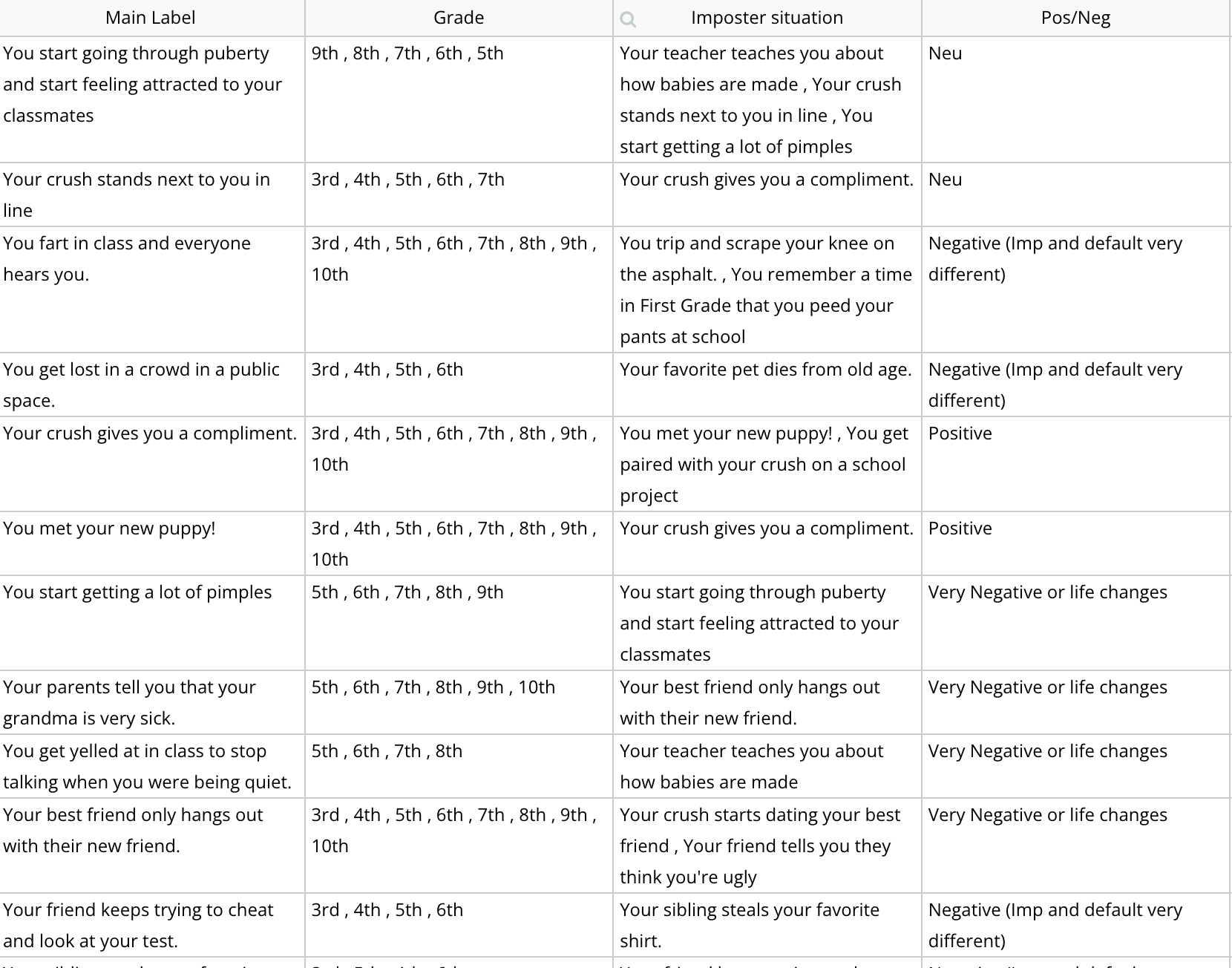
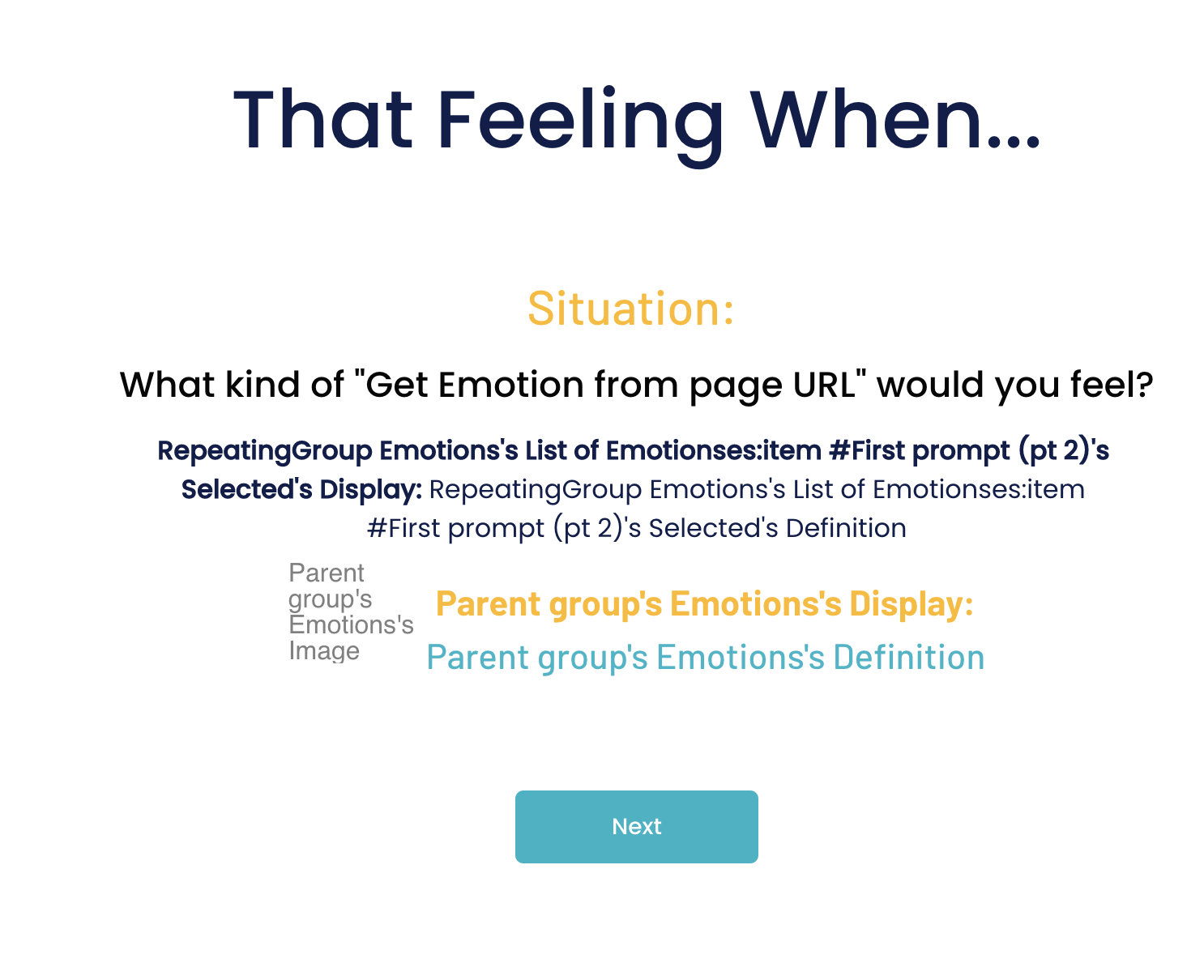
I have tested the game out thoroughly, conducting near weekly sessions with 10+ students at Step Up Tutoring events. I feel great about it because the kids are laughing and playing it the way we had hoped they would. In a post-session survey (filled out by 12 students), 9 out of 12 students reported learning new words and the game had a subjective “fun” rating of 9.8/10.
.png)
.png)
What did I learn?
1. Low Code Software and MVP development
I learned how to use Bubble.io, a low code platform, to build out a fully functioning and optimized app that can host thousands of users at a time.
2. SQL, HTML, CSS
I used this project as an opportunity to put my SQL course knowledge into practice by coding the prompt and situation queries (searching through our large list of prompts) which need to be well suited for the randomly selected situation and appropriate for the grade level). Also used HTML and CSS to further customize the design.
3. How to create smooth UI interactions
I improved on my ability to create animations, interactive buttons, and fluid user flows through transitions.